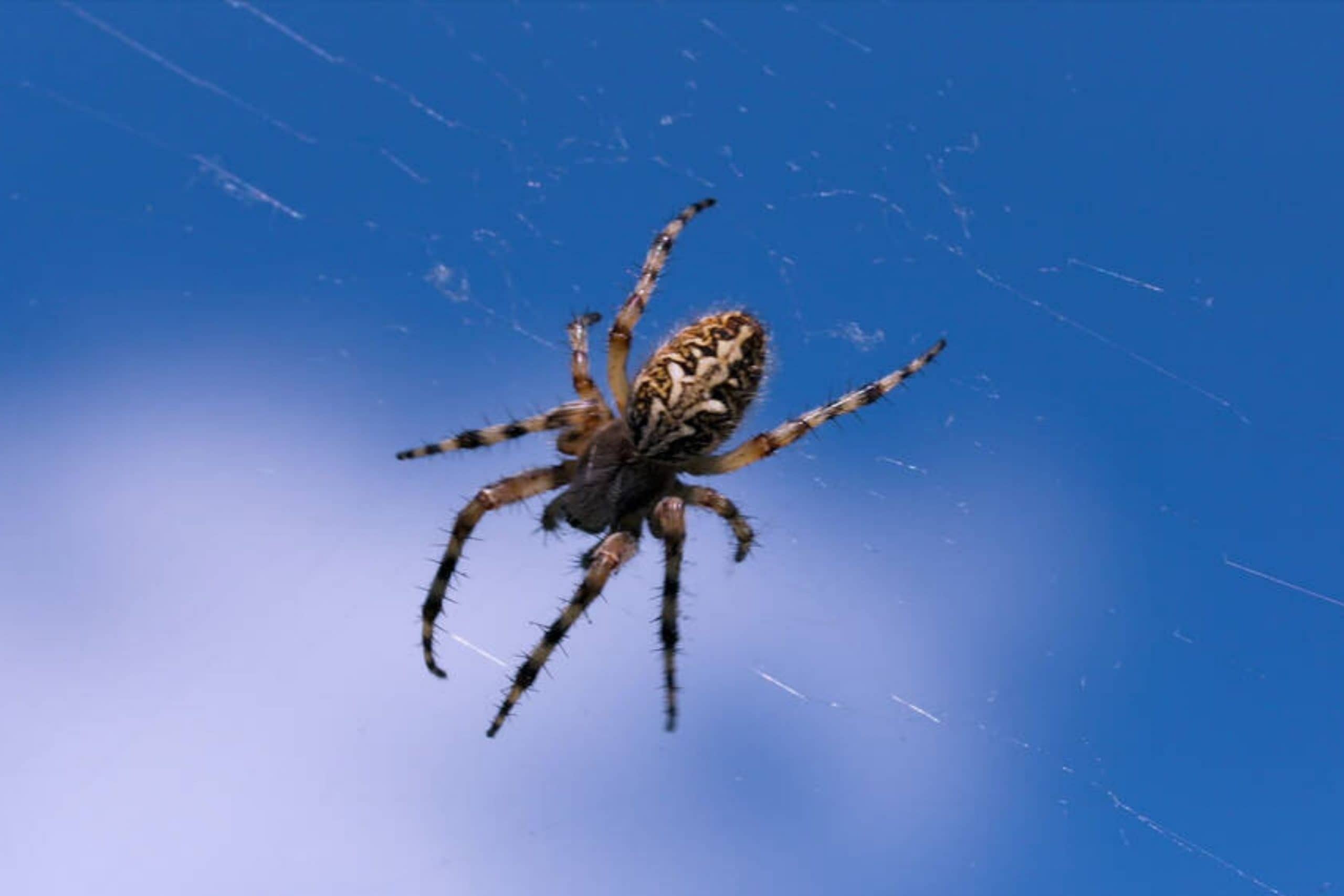
Additionally, they may inhabit cluttered areas that contain insects. Jumping spiders are a common sight in households, but fear not – they pose no threat to humans. These small, curious spiders come in a variety of colors and patterns, usually with brown, gray, and black bodies. They are typically found in gardens and other outdoor spaces, such as beneath compost or leaf piles. Jumping spiders are characterized by their brownish hue and their penchant for hiding in holes and crevices in damp locations.
Cozy corners
The thing with spiders, however, is they are there for a reason. Until you figure out that reason, it’s fair to say they are going to be pretty hard to get rid of, and will keep coming back, time after time. Let’s take a look at the different things that draw spiders into your homes.

Water
She is a professor of Horticulture, an Education Specialist, and a pest specialist. David Floyd has 20 years of experience working as a pest control technician as well as running his own pest control company. David is Quality Pro certified and is a certified Structural Pest Control Operator in the state of North Carolina, and the owner of NCPestControlExperts pest control company. Even if you're not the tidiest person, no one likes a messy house—except, perhaps, for spiders. There's nothing like keeping your home smelling fresh and feeling cool with a steady outdoor breeze. But if you're leaving your windows wide open, you're opening up your home for an arachnid invasion.
What Can Attract Spiders?
The easiest and safest way to remove a spider egg sac is with a hand-held vacuum. This way, you can vacuum up the egg sac and safely dump it out in a bag that you can close and put into your outside trash bin. If you’re not comfortable removing a spider egg sac yourself, or if you’ve seen more than one, you might want to contact a pest control professional. One visible egg sac means that there are likely more spiders you haven’t seen. A pest control specialist will be able to create the best pest control plan for your particular situation to reduce the spider population on your property. These are all great ways to keep spiders away from your home.
While it may seem like we can never escape spiders from all of the places we have been, there are ways to keep them away from our cars. Danielle Fallon-O’Leary writes for BobVila.com on home improvement and entrepreneurship topics. She draws from her experience working summers and weekends for her father’s general contracting business, now running the company’s blog and social media accounts.
Other Insects Are Present
As spiders' natural prey, they then draw the eight-legged creature to lurk around. To lessen the chance of being invaded by the arthropods, make sure to dispose of garbage properly. Bedrooms can attract spiders due to the presence of insects, high humidity, or clutter providing hiding spaces. Therefore, it is important to understand that spiders have adapted to life indoors and prefer warmer weather. Weather changes can drive outdoor spiders inside, and spiders will seek out cooler temperatures during months of high heat. While most spiders you find in your home do not pose a major threat to humans, they’re usually unwelcome houseguests for many homeowners.
Doctors Keep Finding Spiders in People's Ears
Aside from a few important species, most spiders are not dangerous to people or pets. Spiders typically don't bite humans unless threatened, and they are only threatened when cornered or agitated. There are dangerous spider and poisonous spider species always ready to deliver an excruciating spider bite once disturbed. If you fear that these unwanted creatures are plaguing your home, it's best to call professional exterminators for help. Make sure to dust, sweep, and vacuum areas that are highly favored by these pests.
How to keep spiders out of your house this autumn - Irish Mirror
How to keep spiders out of your house this autumn.
Posted: Mon, 30 Sep 2019 07:00:00 GMT [source]
Not managing other insect populations
They are often more active during the night and are naturally sensitive to light. However, not all spiders react the same way, as some are adapted to live in well-lit environments. To make your outdoor areas less attractive to spiders, you can also work to clear brush and debris away from the foundation of your home. Overgrown shrubs or piles of leaves up against your foundation can be a perfect home for spiders. Once spiders have started aggregating next to your home’s exterior, it becomes much more likely that a few will start to make it inside.
Piles of old newspapers, unkempt storage rooms, and even forgotten corners of your garage serve as attractive accommodations for these critters. Spiders are accomplished hunters, and their favourite prey includes various insects and small creatures. So, if your house has become a buzzing hotspot for flies, moths or other bugs, it’s like setting up an all-you-can-eat buffet for our arachnid friends. Specifically, it’s important to pay attention to the presence of wood piles in close proximity to your home. Spiders are drawn to stacks of wood as they offer both shelter and a potential source of food in the form of insects. Some essential oils, such as peppermint and eucalyptus, are known to repel spiders.
If you’ve got an attic, crawlspace, garage, basement, or any combination thereof, you’ve got prime real estate for spiders. It won’t take long for them to move in and get settled behind piles of boxes or of other items. Keeping things as neat as possible is key, but you might want to put out some insect and arachnid baits to keep critters from being a problem. The color that attracts spiders to come is brown, which is the color of most leaves. One of the most common ways to attract spiders to your bedroom is if you have a dirty bed. Unfortunately, the more time you spend in your bedroom, the more likely it is that something will attract spiders to bed.
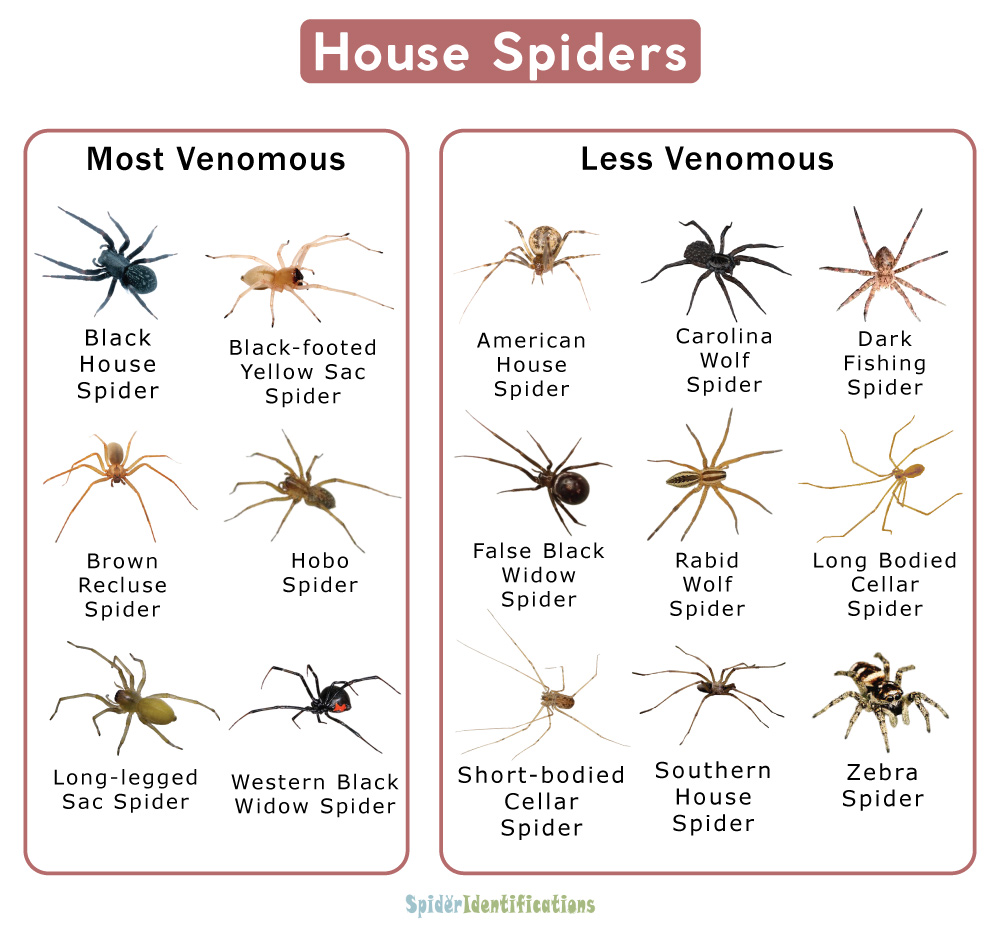
Fruit flies are small, tan to black flies that measure about 3 to 4 mm in length and have red eyes. They are drawn to the sweet smell of overripe fruit, signaling a food source nearby. They are larger and more intimidating than jumping spiders, but rest assured, they are generally harmless to humans as well. These spiders have a hairy texture, and their colors range from brown to gray, often featuring various markings or lines on their bodies.
Keeping your outdoor lights off as much as possible at night will cut off this food source and discourage spiders from gathering there, making it harder for them to make their way indoors. If you want to try to control your spider population on your own, the first step you’ll need to take is to get rid of the spiders’ food source. Unfortunately, this is easier said than done, because spiders will eat a wide variety of other common insects, including mosquitoes, flies and mites. Homeowners wondering what eats roaches are surprised to learn that spiders are even on the list. Therefore, if your top priority is keeping spiders away, you need to figure out what the spiders are eating and get rid of that population first.
They can enter through very small openings, so dryer vents or areas where cable and plumbing lines pass through the walls of your home are all possible options. Although they generally like quiet areas with little traffic, both indoors and outdoors, they will opt for a busier location if that is where their prey is found. If a house spider can avoid people, it will usually have a life cycle of around 1-2 years, although some species of spiders can have much longer life spans. It’s totally possible for you to catch a spider crawling out of your favorite fruit, and the worst thing is that venomous spiders normally hide inside them. Regularly check and take a good look at the items you put in the shopping bag. Therefore, if your house has lamps or other types of illumination such as computer screens located by doorways or windows, transfer them.
These can be found in your walls, doors, windows, and foundations. From experience, the best way to prevent spiders from entering your home is to seal any openings, such as windows or cracks in the foundation. You can place mesh screens over vents and other potential entry points. Spiders favor flies, mosquitoes, moths, butterflies, beetles, and ants. These insects are common prey due to their presence in spider webs or the spiders’ active hunting.




No comments:
Post a Comment